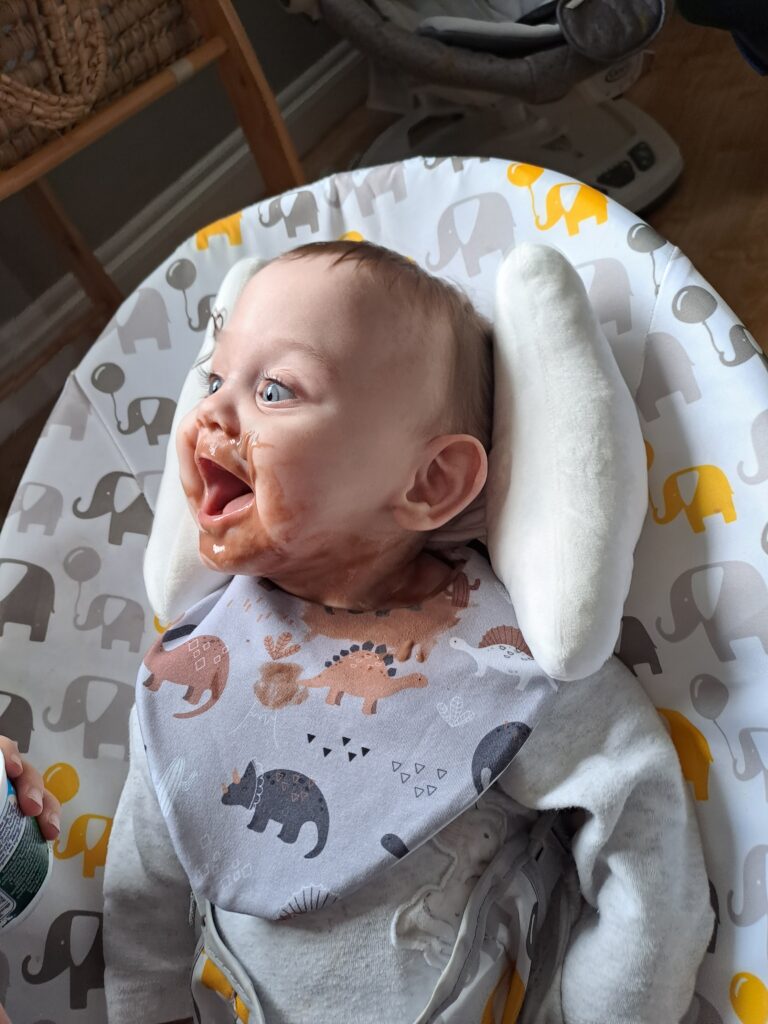
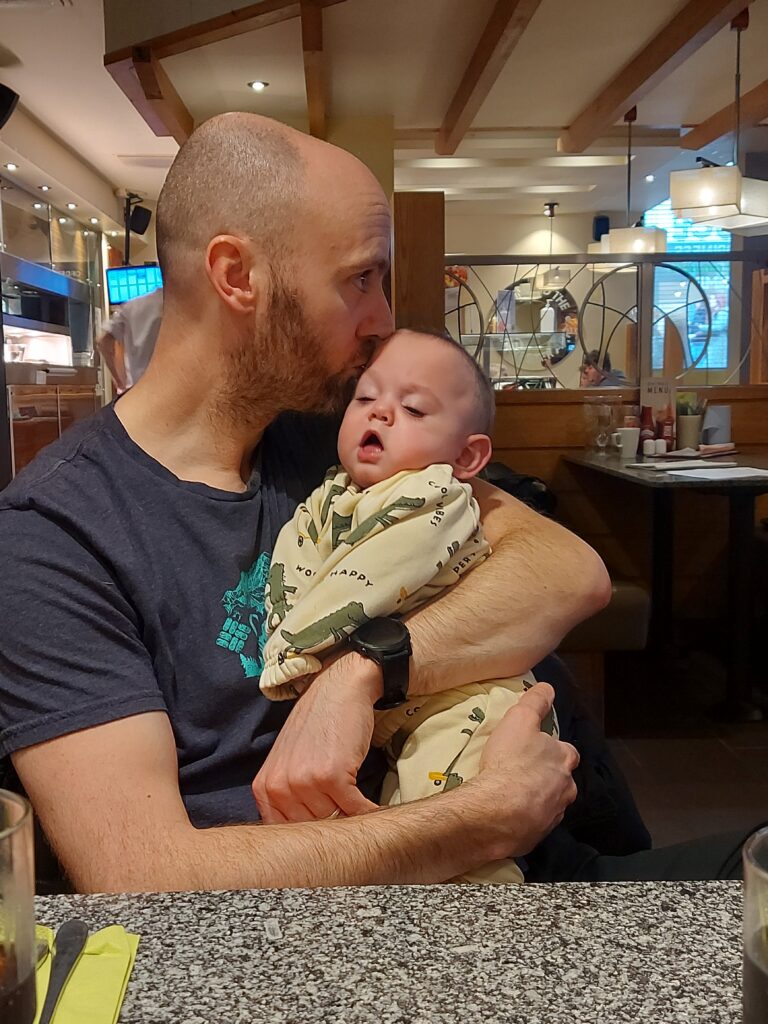
40‑year‑old Martin Langdon is running the iconic 26.2 mile route in honour of his little boy, Tommy, who tragically passed away at 13 months old.
MARTIN’S STORY
A father of four from Haverfordwest in Wales is preparing to run the iconic London Marathon in memory of his 13‑month‑old son, who tragically died following complications from hydrocephalus.
Martin Langdon, 40, will run in honour of his little boy Tommy, who passed away in August 2023 after a sudden and catastrophic seizure. We’re so grateful that he’s raising funds for Harry’s Hydrocephalus Awareness Trust (Harry’s HAT) to help shine a light on the condition Tommy lived with.
“HE JUST CLOSED HIS EYES AND THAT WAS IT”
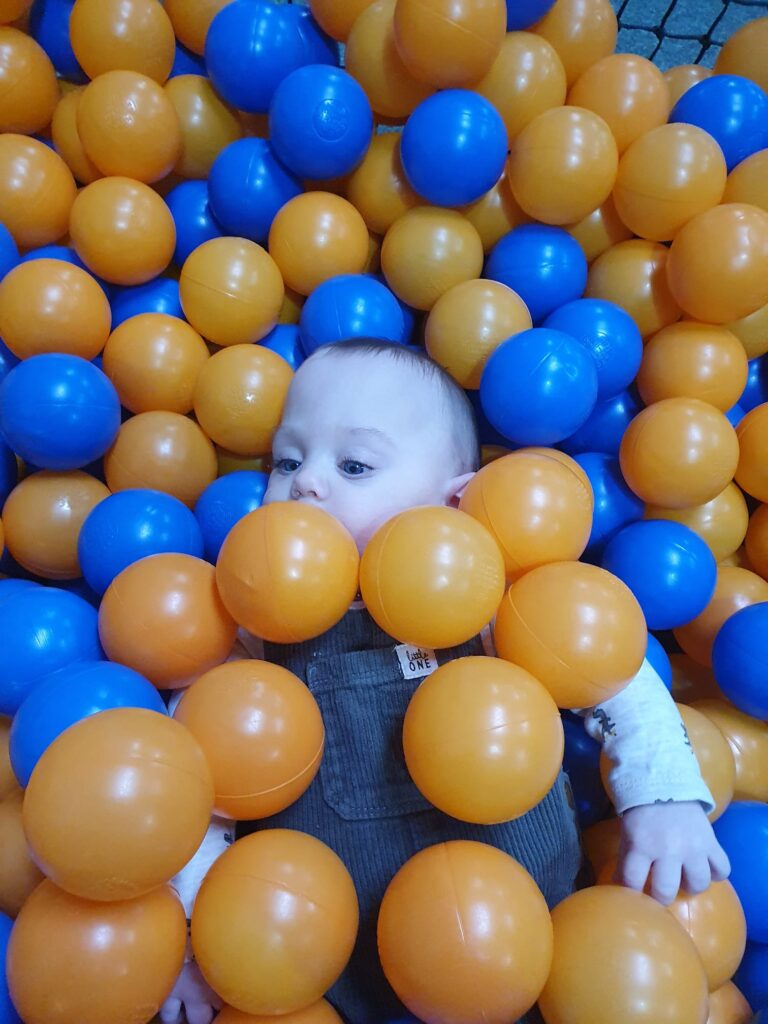
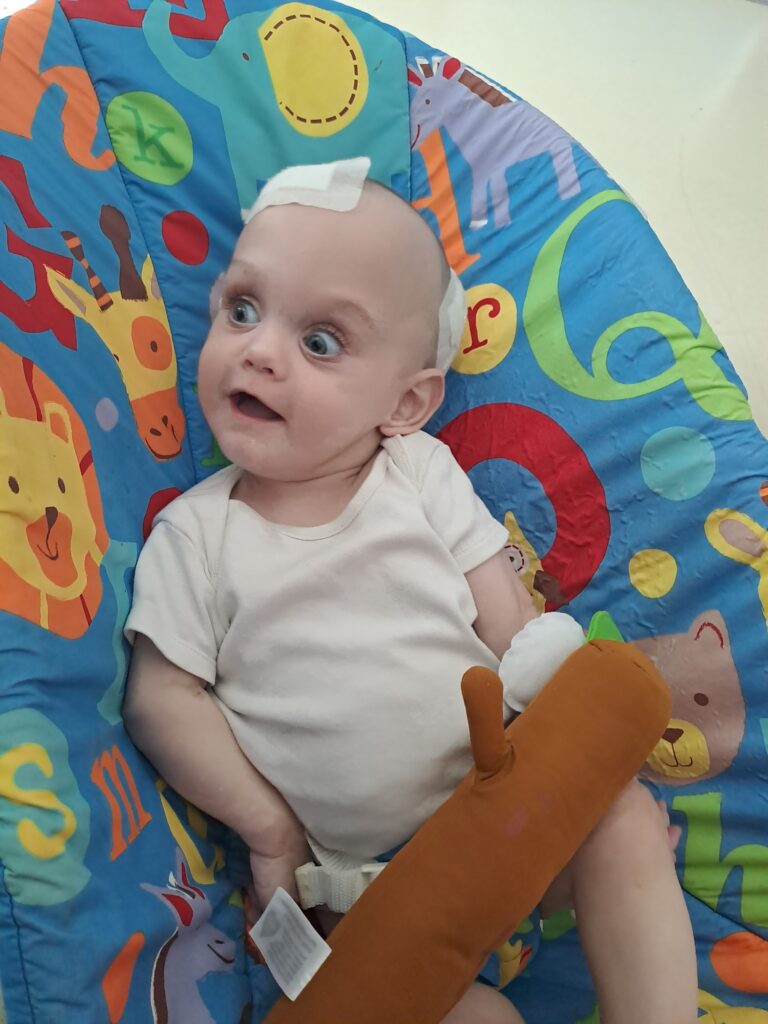
Tommy was born prematurely in July 2022 and suffered a brain bleed shortly after birth. He went on to be diagnosed with hydrocephalus and underwent his first surgery at just two weeks old.
“[Hydrocephalus] is not one of those things you hear about, until you hear about it because it’s in your life,” Martin said. “We found out about Harry’s HAT when we were in Cardiff Hospital – the neurosurgical team gave us all the information, so we got in touch and became part of a WhatsApp group initially.”
Throughout his short life, Tommy endured 10 brain surgeries, as doctors fought complications including meningitis and recurrent shunt infections. Despite surviving so much, it was an unexpected seizure, just weeks after his first birthday, that tragically ended his life.
“Tommy had a catastrophic seizure not long after having surgery,” Martin said, “He had a seizure in the car on the way home from hospital. My wife was driving the car at the time, on her own with him. He just closed his eyes and that was it. She said he was restless and she thought he’d gone to sleep, just like any baby does, but obviously he hadn’t.”
RUNNING AS THERAPY
Martin describes the support his family received from Harry’s HAT as “life‑changing,” and says taking on the marathon is his way of giving back.
“I just dive in; it’s probably another version of therapy without knowing about it to be honest. And because we live in such a small community – people know us -and the support is always there.”
WHAT IS HYDROCEPHALUS?
Hydrocephalus is caused by an abnormal build‑up of cerebrospinal fluid in the brain, leading to pressure that can cause permanent damage if untreated. Around 1 in 770 babies in the UK are affected, yet public awareness remains low. While there is no cure, the condition is commonly managed using a shunt – a device that drains excess fluid from the brain to another part of the body.
GET-A-HEAD: CAMPAIGNING FOR EARLIER DIAGNOSIS
Alongside supporting families whose children receive a diagnosis of hydrocephalus, Harry’s HAT also campaigns for early diagnosis in babies through its Get-A-Head initiative.
One of the earliest signs of hydrocephalus in infants is an unusually large or rapidly growing head. The charity is calling for a review of current UK medical guidelines to ensure babies receive enough routine head circumference measurements during their first year – something that could help identify problems sooner.
Caroline Coates, Co-Founder and CEO of Harry’s HAT said: “We can’t thank Martin enough for his support. We know how much this cause means to the whole Langdon family and we’re in awe of their courage and determination in such challenging circumstances.
“In running the London Marathon for Harry’s HAT, Martin is shining a spotlight on this condition for the world to see. Hydrocephalus affects the same number of people as Down’s Syndrome, but it sadly does not have the same mainstream awareness. We’re passionate about changing that, and in doing so, ensuring that babies get the early diagnosis and support they deserve.”
SUPPORT MARTIN’S CHALLENGE
You can support Martin’s London Marathon fundraising for Harry’s HAT here: Harry’s Hydrocephalus Awareness Trust: Martin’s page
We’re so grateful for all of your donations, thank you. The money raised will go towards improving the lives of children living with hydrocephalus. It will also help us to continue our work campaigning for earlier diagnosis, and pushing for mainstream awareness of the condition.